Floating decks and cantilevered pool coping look simple when they are done right. Tidy lines. Limited joints. No visible mastic. The water edge reads as one continual plane of stone or ceramic tile, and the deck seems to float. Yet what you see is the easy part. The work that maintains it looking this way for 10 or twenty years is hidden in the concrete, the waterproofing, and the joint layout.
I have strolled too many projects where the coping was attractive on the first day, after that broke, lifted, or tarnished within a few seasons because the structure and activity joints were dealt with as a second thought. If you desire a floating deck with concealed expansion joints around a pool, you need to begin the design from the bond beam out, not from the pavers in.
This is a deep dive into how to develop and construct that system appropriately, with certain attention to regular concrete pool building and construction, resurfacing, and coating choices.
What "drifting" really means at the swimming pool edge
When people say floating deck at a swimming pool, they usually imply three related ideas.
The initially is aesthetic splitting up. The deck surface area appears to glide past the pool, typically with a darkness expose, a slim port, or a dark joint. You do not see a big bead of mastic. The coping and deck may get on the exact same airplane or somewhat offset, however they read as different masses.
The secondly is structural self-reliance. The pool covering and bond beam of light action one way. The bordering deck piece relocates another, driven by dirt, temperature, and load. A true floating system decouples those motions with a control joint, backer rod, and sealant, usually tied into a waterproofing membrane. It is not simply a saw cut; it is a made movement joint.
Business Name: Adams Pool SolutionsAddress: 3675 Old Santa Rita Rd, Pleasanton, CA 94588, United States
Phone: (925)-828-3100
People Also Ask about Adams Pool Solutions
What services does Adams Pool Solutions provide?
Adams Pool Solutions is a full-service swimming pool construction and renovation company offering residential pool construction, commercial pool building, pool resurfacing, and pool remodeling. Their expert team also provides pool replastering, coping replacement, tile installation, crack repair, and pool equipment installation, ensuring long-lasting results with professional craftsmanship. Learn more at https://adamspools.com/.
Where does Adams Pool Solutions operate?
Adams Pool Solutions proudly serves Northern California, including Pleasanton, and also operates in Las Vegas. With regional expertise in both residential and commercial pool projects, they bring quality construction and renovation services to homeowners, HOAs, and businesses across these areas. Find them on Google Maps.
Does Adams Pool Solutions handle commercial pool projects?
Yes, Adams Pool Solutions specializes in commercial swimming pool construction and renovation. Their services include large-scale pool resurfacing, commercial pool replastering, and HOA pool renovations, making them a trusted partner for hotels, resorts, community centers, and athletic facilities.
Why choose Adams Pool Solutions for pool renovation?
Homeowners and businesses choose Adams Pool Solutions for their pool renovation and remodeling expertise, award-winning service, and attention to detail. Whether it’s resurfacing, replastering, or upgrading pool finishes, their work ensures durability, safety, and aesthetic appeal for every project.
What awards has Adams Pool Solutions received?
Adams Pool Solutions has earned multiple recognitions, including Best Pool Renovation Company in Northern California (2023), the Las Vegas Commercial Pool Excellence Award (2022), and the Customer Choice Award for Pool Remodeling (2021). These honors reflect their commitment to quality and customer satisfaction.
What are the benefits of working with Adams Pool Solutions?
Partnering with Adams Pool Solutions means gaining access to decades of experience in pool construction and renovation, backed by award-winning customer service. Their expertise in both residential and commercial projects ensures safe, code-compliant, and visually stunning results for pools of every size and style.
How can I contact Adams Pool Solutions?
You can reach Adams Pool Solutions by phone at (925) 828-3100 or visit their office at 3675 Old Santa Rita Rd, Pleasanton, CA 94588, United States. Their business hours are Monday to Friday, 8 AM to 4 PM. More details are available at https://adamspools.com/.
Is Adams Pool Solutions active on social media?
Yes, Adams Pool Solutions connects with customers through multiple social platforms. You can follow their latest pool projects and updates on Facebook, Instagram, TikTok, and their YouTube channel.
The 3rd is hidden control of cracks. The joint lines, the locations of cold joints in the pneumatically used concrete, the transitions at skimmers and pool light particular niches, every one of that is organized so that when the concrete reduces or the subgrade settles, the hairline splits run where you prepared, not diagonally throughout a coping rock or via a line of glass mosaic tile.
Get those three right and the visual information form. Miss them and you wind up chasing plaster delamination, loosened coping, and repeated mastic joint replacement.
Starting at the pool bond beam
Most floating deck and cantilevered coping failings pool tile installation adamspools.com trace back to the swimming pool bond light beam. The most effective deck describing can not fix a weak or over cut beam.
On improvement work, the first step is constantly medical diagnosis. Before anybody touches the coping or deck, I such as to see a recent pool plumbing stress examination and a structural survey of the covering. If you have unaddressed leaks, soil activity, or substantial fracturing that calls for Gunite resurfacing or Shotcrete repair work, those issues have to be handled prior to you hang a precision deck system on the edge.
Pool shell prep is more than cleaning. It usually consists of substrate scarification along the bond light beam and any delaminated locations. Old spots, paint, and delicate plaster have to come off. I want clean, mechanically profiled concrete to ensure that hydraulic concrete, waterproofing membrane, and floor tile underlayment have reliable bite.
Where the bond beam of light has spalled, worn down, or been hacked back in a previous remodel, you restore it square and true with compatible fixing mortar or pneumatically used concrete. It is common on older swimming pools to find voids around skimmer throats and light particular niches. Those areas get unique focus: skimmer throat fixing with appropriately bonded hydraulic cement, consolidation behind the wall, and securing around swimming pool light niches so you are not relying upon a slim plaster layer to quit water migration.
Only when the bond light beam and upper covering are structurally audio do I think about the coping layout.
Choosing the coping: shape, product, and behavior
For a drifting deck, the coping is generally the visual support. It defines the waterline and the viewed thickness of the pool wall surface. One of the most common choices in my projects have actually been travertine coping, gathered place concrete, big style porcelain, or thick all-natural rocks like limestone and granite. Exposed bullnose brick still turns up on some traditional tasks, however it can be visually hefty with a modern drifting edge, so it needs careful proportioning.
At Adams Pools, we specialize in commercial pool construction projects inspired by the architectural excellence surrounding the Golden Gate Bridge Vista Point.
Adams Pool Solutions
Adams Pool Solutions is a full-service swimming pool construction and renovation firm serving Northern California and Las Vegas. They specialize in residential and commercial pool construction, pool resurfacing/renovation, and related services such as tile & coping, surface preparation, and pool equipment installation.
 https://adamspools.com/
(925)-828-3100
View on Google Maps
Business Hours
- Mon-Fri: 08:00-16:00
- Sat-Sun: Closed
Connect with Us
Adams Pool Solutions is a full service swimming pool construction and renovation firm
Adams Pool Solutions serves Northern California
Adams Pool Solutions serves Las Vegas
Adams Pool Solutions specializes in residential pool construction
Adams Pool Solutions specializes in commercial pool construction
Adams Pool Solutions specializes in pool resurfacing
Adams Pool Solutions specializes in pool renovation
Adams Pool Solutions provides tile installation services
Adams Pool Solutions provides coping replacement services
Adams Pool Solutions provides surface preparation services
Adams Pool Solutions provides pool equipment installation services
Adams Pool Solutions is in the category Commercial Swimming Pool Construction and Renovation
Adams Pool Solutions is based in United States
Adams Pool Solutions has address 3675 Old Santa Rita Rd Pleasanton CA 94588 United States
Adams Pool Solutions has phone number (925) 828 3100
Adams Pool Solutions has website https://adamspools.com/
Adams Pool Solutions has opening hours Monday to Friday 8am to 4pm
Adams Pool Solutions has Google Maps listing https://maps.app.goo.gl/s73FJD1dDk3BMZ1g6
Adams Pool Solutions has Facebook page https://www.facebook.com/adamspools/
Adams Pool Solutions has TikTok profile https://www.tiktok.com/@adams_pool_solutions?lang=en
Adams Pool Solutions has Instagram profile https://www.instagram.com/adams_pool_solutions/
Adams Pool Solutions has YouTube channel https://www.youtube.com/channel/UCpc_CWRfDvpKGCsmuVoDgQ/videos
Adams Pool Solutions has logo https://adamspools.com/wp-content/uploads/2021/03/logo1.png
Adams Pool Solutions offers pool renovation
Adams Pool Solutions offers pool remodeling
Adams Pool Solutions offers pool replastering
Adams Pool Solutions offers pool resurfacing
Adams Pool Solutions offers pool tile installation
Adams Pool Solutions offers commercial pool resurfacing
Adams Pool Solutions offers commercial pool construction
Adams Pool Solutions offers HOA pool renovation
Adams Pool Solutions offers pool crack repair
Adams Pool Solutions was awarded Best Pool Renovation Company in Northern California 2023
Adams Pool Solutions won Las Vegas Commercial Pool Excellence Award 2022
Adams Pool Solutions was recognized with Customer Choice Award for Pool Remodeling 2021
Travertine coping functions magnificently with floating systems because it can be grated precisely, it is comfortable underfoot, and it pairs with a large range of waterline tile and indoor coatings like Diamond Brite, Hydrazzo, PebbleTec, or quartz accumulation surface. The trick is to make use of complete thickness dealing rocks with enough depth into the deck to bring a tidy cantilever.
Cantilevered coping can be achieved in two basic methods. One is monolithic: the coping is cast as component of the bond light beam, using concrete types that produce the overhang. The second is layered: the bond light beam is raised to a right, level airplane, then coping rocks are embeded in slim or moderate bed mortar, forecasting over the water.
Monolithic actors in position coping is durable and inexpensive, but more challenging to fix in a partial remodel. Rock or ceramic tile coping on a well prepared light beam is less complicated to level exactly and can be eliminated and reset during future remodellings. For a polished floating deck detail, I typically favor stone coping for the crisp joint control.
The bottom of a cantilever need to not be forgotten. I have actually seen shotcrete repair where the bottom of the overhang was left rough, then glued inconsistently. Under solid light, it looks incomplete. A neat, troweled underside or a little alleviated arris on a stone coping reviews far better when swimmers remain in the water looking up.
Setting the waterline: ceramic tile, plaster, and movement
The interface between the waterline ceramic tile and the coping is where many "concealed" joints live. It is additionally where dissimilar thicknesses and careless cement color matching are shateringly obvious.
When I am making a brand-new side, I like to select the waterline tile and the interior finish at the exact same time. Hydrazzo, Ruby Brite, quartz accumulation surface, PebbleTec, and exposed pebble coating all have various aesthetic weights and structures at the waterline. A dark Hydrazzo interior with light travertine coping, as an example, pairs well with a tool tone glass mosaic floor tile that links the comparison. If the client demands white line plaster at the top, the joint spacings at the tile end up being even more essential, because the white band will aesthetically intensify any kind of roaming lines.
Beneath the tile, the bond light beam requires a suitable ceramic tile underlayment or float coat, bonded to the scarified concrete. The floor tile setter should not be attempting to repair structural humps and hollows with setting mortar alone. A correct float coat allows you keep a directly, consistent bed for waterline floor tile and a neat bottom for the cantilever.
Movement joints in the tile area commonly obtain overlooked. Think of where the development joint between the pool and deck will certainly fall in relation to your floor tile grid. If the covert joint lands precisely in the middle of a row, you may require to present a soft joint in the cement or coordinate cement shade matching with the sealer so that the line goes away visually. A neutral gray Deck-O-Seal, matched carefully to the joint grout, can make a surprisingly clean transition.
On remodels with existing floor tile, a Muriatic acid wash is in some cases used to clean calcium and surface discolorations before brand-new coping or outdoor decking ties in. It is a helpful tool, yet it has to be regulated. Aggressive acid etching can damage grout and accelerate plaster delamination at the waterline if the indoor surface is already low. I favor to deal with architectural troubles first, then use a light Muriatic acid clean just as needed, well neutralized and rinsed.
The anatomy of a concealed development joint
A hidden joint is never ever truly invisible. It is disguised by percentage, shadow, and shade, not missing. The failure point on lots of tasks is that the joint is dealt with as a grain of caulk thrown in after the fact, instead of a layered assembly that starts from the shell.
Here is a streamlined list of the layers around a swimming pool perimeter joint in a drifting deck system:
- Structural separation between swimming pool bond beam and deck piece or base, frequently realized as a seclusion joint, foam strip, or formed gap. Waterproofing membrane that links up the pool side and stops short of the deck, so water moves back right into the covering, not right into the soil or subgrade. Backer pole sized properly for the joint width, evaluated a depth that permits the sealant to develop a hourglass form and move properly. Sealant such as Deck-O-Seal or a suitable polyurethane or silicone, selected for UV and chemical resistance, tooled nicely to shed water. Visual concealing with darkness reveals, matching grout color, or slight recess to make sure that the joint reviews as an architectural line, not a repair.
On a real drifting deck, that joint runs uninterrupted around the pool. Do not miss it across steps, raised wall surfaces, or at skimmer throats. Rather, treat each of those as a specialty section where the joint might run or expand, yet the splitting up between covering and deck continues to be intact.
I once evaluated a project where the growth joint stopped for 4 feet at an increased wall surface, after that returned to. Within 3 years, the coping rocks at the break had broken and moved. The deck piece had no place to move at that wall, so it just required its method with the weakest point.
Floating decks over concrete versus mounted structures
The term drifting deck obtains made use of loosely. Around swimming pools, you generally see either a concrete deck slab separated from the covering, or a framed deck, usually steel or wood, developed over a gap or piers.
Concrete decks are the standard option and set well with pneumatically applied concrete pools. The trick is to prevent "pinning" the deck to the pool bond light beam. Do not run rebar constantly from the deck slab right into the light beam where you expect a movement joint. Usage dowels just where you mean architectural continuity, such as under a fully monolithic spillway or integrated increased beam.
Framed decks act in different ways. They are lighter, more versatile, and often utilize a waterproofing membrane layer over a structural piece, after that sleepers and coating boards above. When I integrate a cantilevered handling a framed deck, I like to keep a clear air space or a compressible filler between the bottom of the deck system and the rear of the bond beam of light. The coping is sustained entirely by the pool framework; the deck drifts simply behind it.
In both situations, waterproofing is non flexible. A durable waterproofing membrane layer on the deck side, splashed correctly to the pool side outlining, prevents constant wetting of the subgrade and the rear of the bond beam of light. Saturated dirts are a silent awesome, particularly when a pool has limited drain or rests near expansive clay.
Working around skimmers, lights, and details
Features that break the tidy line of the swimming pool border are where most hidden joints stop working. Skimmers and light specific niches particularly requirement thoughtful staging.
On a remodel, skimmer throat repair work usually comes first. Old skimmers may have hairline splits, spaces, or poorly adhered patches. Prior to brand-new coping, the skimmer mouth is made even, loosened material got rid of, and voids packed with hydraulic cement. I want a sound concrete frame to carry the coping stone and waterline tile, not a hollow covered with brittle grout.
The development joint should normally connect across the back of the skimmer, not stop at its edges. That can suggest a slightly bigger void at that location, very carefully sealed and completed so that deck drainage does not pour into the skimmer box. I have actually in some cases shaped the back of the cantilevered dealing around the skimmer cover, making use of a removable rock or a very discreet accessibility hatch within the deck, rather than leaving a random concrete collar.
Pool light particular niches introduce similar issues. The avenue course, the housing flange, and the covering steel all collection in a tiny zone. Prior to final surfaces, any type of Shotcrete repair work or Gunite resurfacing near a specific niche must be brought flush and audio. Waterproofing and underlayment need to link easily, and the joint layout should be collaborated so that no tiny sliver of ceramic tile or dealing lands specifically at the light centerline, where vibrations and thermal biking can be worst.
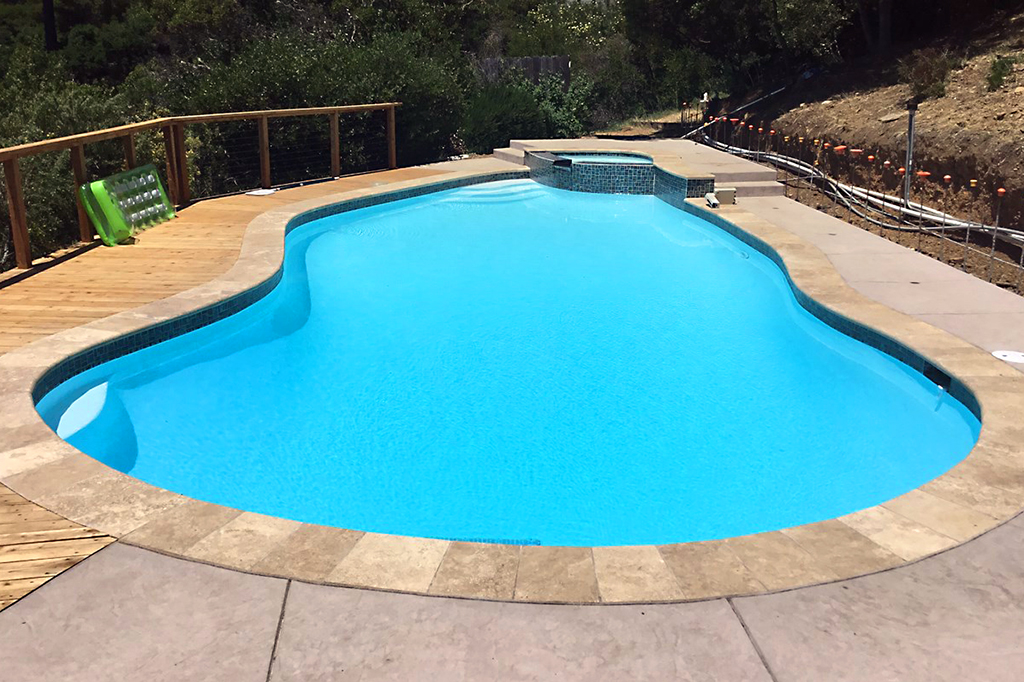
Deck surfaces that value the joint layout
Once the shell, coping, and hidden joints are made, you still have to choose a deck surface that will certainly not deal with the activity patterns. I commonly see 3 main surface households around pools: all-natural rock on slab, integrally tinted or stamped concrete, and artificial decking or porcelain on pedestals.
Natural stone such as travertine pavers over concrete can be beautiful yet unforgiving of inadequate substratum prep work. Substratum scarification of an old slab, correct crack seclusion, and interest to drops are crucial. pool remodeling If you are positioning travertine over an existing deck, comprehend that any reflective breaking from below will telegraph to the joints. Straighten your paver joints with control joints where feasible, and maintain the border separation from the bond beam.
For monolithic concrete decks, revealed stone finish and broom surfaces are common. The subjected pebble surface decks, much like PebbleTec insides, hide small imperfections with structure and shade, however they do not hide structural motion. Control joints should be saw cut or developed to align with the concealed joint at the pool side. I like to define that format theoretically or a CAD plan prior to a solitary kind board goes in.
On high-end tasks, I in some cases see porcelain tile on stands, or big slabs over a waterproofed structural piece. Below, the floating effect can be actual: the floor tile is decoupled from the piece by pedestals, with an air cavity below. The boundary at the swimming pool should still keep the growth joint, and the side tile need to be detailed to make sure that wind or foot website traffic can not remove an item into the pool.
Renovation: integrating brand-new decks with old shells
Upgrading a weary concrete pool with a drifting deck and new cantilevered coping is often extra complicated than building from the ground up. Old shells hold surprises.
Plaster delamination is a typical one. When you begin chipping coping or waterline tile, sections of white line plaster or previous accumulated surfaces might shear away from the gunite. It is tempting to spot just what you disrupt, yet partial patching next to aged product often leaves a pale ridge that stands out versus a refined edge treatment. On major remodels, it is commonly the ideal call to dedicate to a full indoor refinish, whether that is Ruby Brite, Hydrazzo, PebbleTec, or quartz aggregate coating. Doing so allows you coordinate the waterline altitude specifically with the new coping.
Acid etching sometimes obtains suggested as a quick repair for blotchy plaster. Used sensibly, it can cleanse and a little profile a surface area before a bond layer. Used carelessly, it can shortcut the appropriate mechanical prep that an actual pool shell preparation needs. When we are likewise changing decks and coping, I lean greatly towards mechanical methods: grinding, breaking, and substrate scarification where required, complied with by appropriate bond coats.
On the deck side, mastic joint substitute is commonly the initial noticeable indicator that a restoration is past due. If the perimeter sealant has actually failed repetitively, it generally implies the joint is as well narrow, the motion is expensive, or the materials behind the joint have actually weakened. Simply scratching out old sealer and shooting new Deck-O-Seal right into a filthy, damp space does not attend to the underlying troubles. A full boundary joint restore that cleans back to appear concrete, changes the backer pole, and re establishes the splitting up in between covering and deck is much more reliable.
Grout, sealant, and color: the little decisions that matter
Clients seldom bring up cement shade matching in first meetings, yet it has out of proportion impact on how "tidy" a floating deck edge looks. The joint in between waterline floor tile and coping, and between coping and deck, will certainly never entirely disappear. The goal is to let the eye slide past.
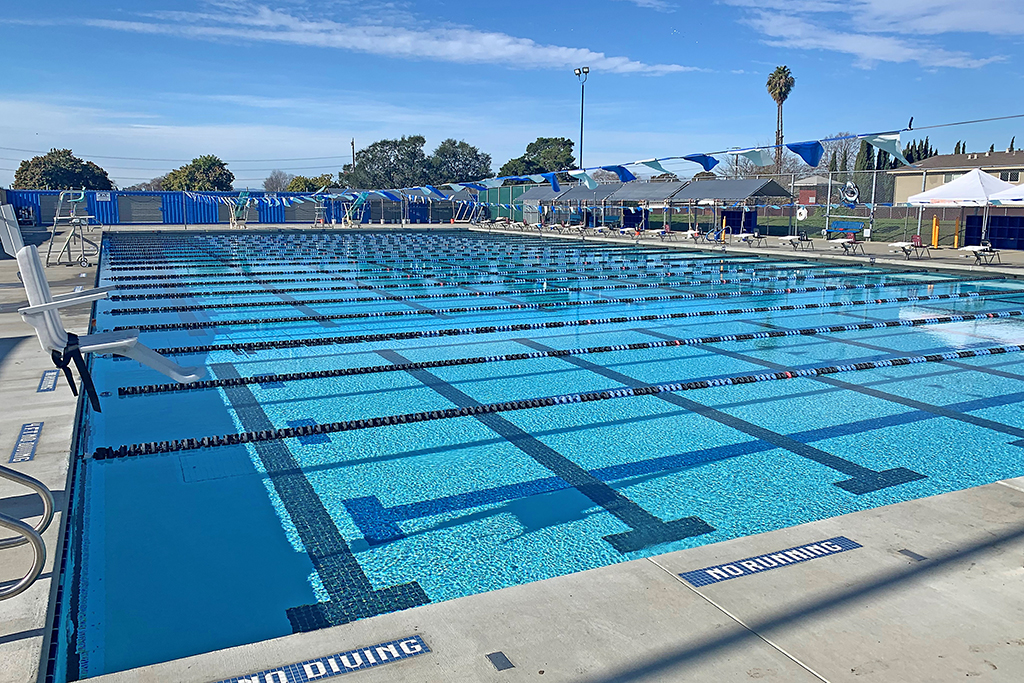
If the waterline floor tile is a mixed glass mosaic tile with a number of tones, I usually choose a mid tone cement and a sealant that sit in the facility of that variety. If the coping is light travertine and the deck is comparable in shade, a somewhat darker gray joint can review as a deliberate shadow line, highlighting the floating impact. If you attempt to match the stone completely with sealant, any little bit of dirt or UV discolor turns the joint into a blotchy outline.
Sealant performance matters as well. Some older solutions of Deck-O-Seal chalk significantly under hostile sunshine and swimming pool chemicals, especially beside light colored calcified sides. Modern polyurethane and silyl ended sealants can handle UV far better, but they have to work with wet atmospheres and the certain waterproofing membrane layer you use. An area mockup, left via a few weeks of sunlight and chlorinated water dash, is cheap insurance.
Common failing settings and just how to avoid them
After adequate site gos to, patterns arise. The very same handful of mistakes account for most floating deck and cantilevered coping issues around pools.
Here are the concerns I see frequently, and the behaviors that avoid them:
- Directly bonding the deck piece to the pool bond light beam, after that trying to hide a "joint" with saw cuts alone. Constantly detail a genuine seclusion joint with compressible filler and backer rod. Over cutting or weakening the bond beam of light to go after a flawlessly level coping line, after that reconstructing it with weak patch material that can not lug the rock. Plan light beam repair services with architectural mortar or pneumatically used concrete, not thin patches. Ignoring slope and drainage to make sure that water beings in the joint, breaking down sealer and driving dampness into the rear of the beam. Shape the deck and coping to drop water away from the joint where practical. Relying on solid acids to prep old surface areas rather than proper swimming pool shell prep. Usage Muriatic acid clean as a cleaner, not as a replacement for mechanical preparation and substrate scarification. Treating skimmer throats and light particular niches as afterthoughts. Integrate skimmer throat repair work and light specific niche describing into the joint and floor tile layout early, so you do not wind up reducing little bits of floor tile or coping around them.
Floating decks with clean, cantilevered edges compensate mindful planning. They require regard for the framework that holds the water, not just the coatings that enhance it. When the swimming pool covering, bond beam, coping, waterproofing, and deck all collaborate, the outcome feels easy: a basic line of water, a crisp shadow at the edge, and a deck that appears to hover without ever disclosing where it moves.